
Wiry
Cuts for Wiry Grey Hair
Cut strategies for wiry grey hair that reduce puff, support density, and make daily styling less dependent on heat.

Grey Hair
Wiry Texture - Updated September 2026
What wiry grey hair means, why texture changes, and how softening, cuts, and low-friction care help.
Wiry grey hair feels springy, resistant, or uneven because some unpigmented strands behave differently than the pigmented hair beside them. The word is descriptive, not a diagnosis: it points to friction, diameter, dryness, or shape—not to a single product you must buy.
If the surface feels coarse, catches on brushes, or puffs after drying, start with moisture and friction control before adding heat or heavy hold. Sudden texture change with scalp symptoms or patchy shedding deserves professional care rather than more styling product.
As melanin declines, many people notice that new growth feels different in the hand. Porosity from previous dye, repeated heat, and environmental dryness can exaggerate that difference. The why texture changes guide explains the common drivers without turning greying into a medical scare.
Compare day-one and day-two feel after a gentle wash. If the hair softens with better conditioning but roughens after flat-ironing, heat—not genetics alone—is part of the story.
Use a three-spoke plan: understand the change, soften the surface, then support the shape. Softening methods focus on slip and low-friction drying. Cut strategies reduce puff and unsupported length. Daily care keeps the win between wash days.
Link your wash plan to daily care for grey hair and wash day. If yellow tone appears with the wiry surface, use purple shampoo for grey hair only when daylight shows real brassiness—not as a daily default.
Wiry grey hair decision table
| Signal | Try first | Go deeper |
|---|---|---|
| Coarse, high-friction surface | Conditioner + leave-in slip | Softening methods |
| Puffy outline after drying | Lower heat, reshape with water | Cut strategies |
| Ends catch and bend | Trim unsupported length | Why texture changes |
| Yellow + wiry front pieces | Clarify, then tone sparingly | Purple shampoo category |
Read why texture changes for causes, softening methods for routine steps, and cut strategies for shape decisions. Together they cover the wiry concern without inventing a new product category.
Guides in this section
Main guides appear first, followed by supporting explainers and routines.
Cut strategies for wiry grey hair that reduce puff, support density, and make daily styling less dependent on heat.
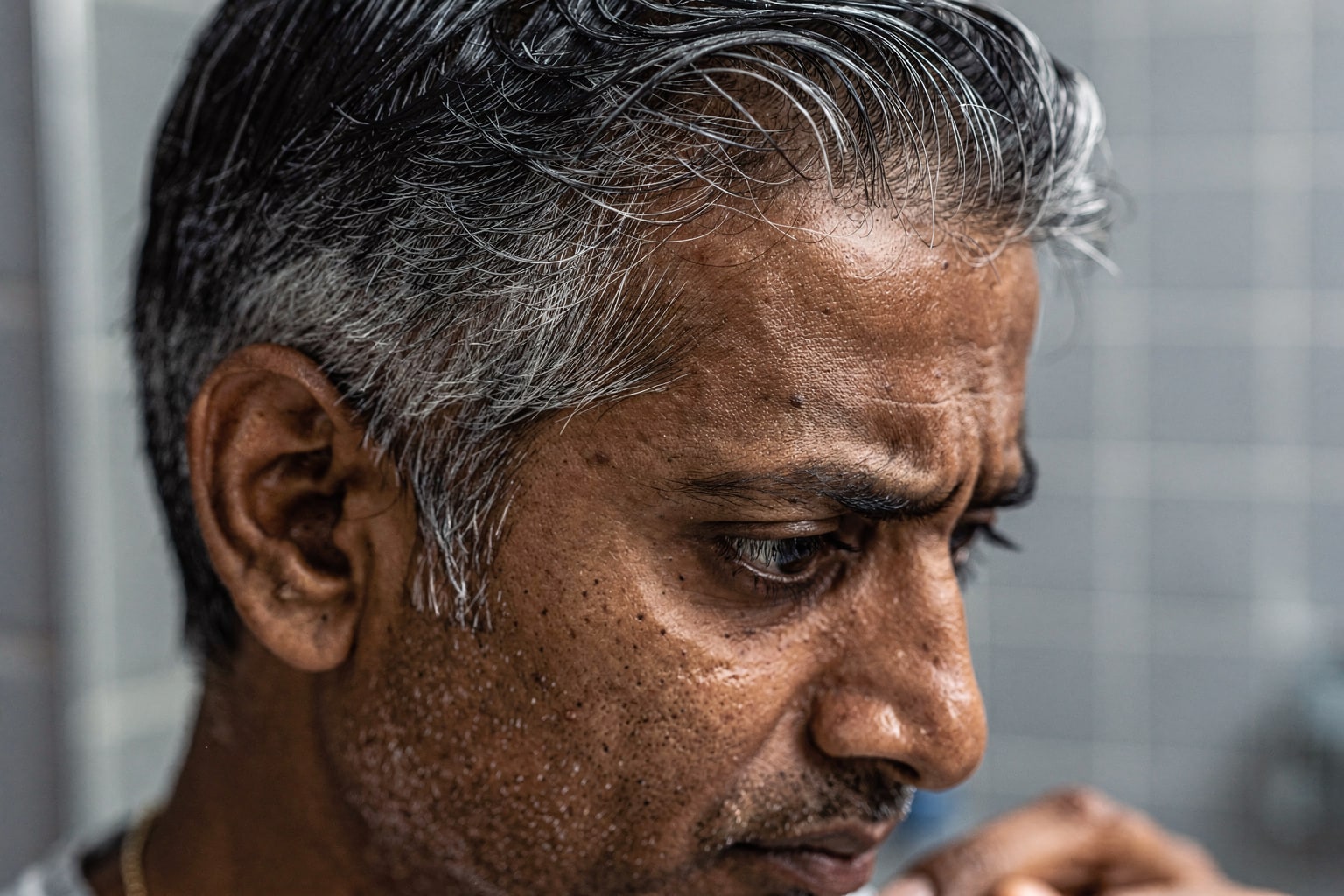
Softening methods for wiry grey hair: slip-first conditioning, low-friction drying, and flexible styling cream.
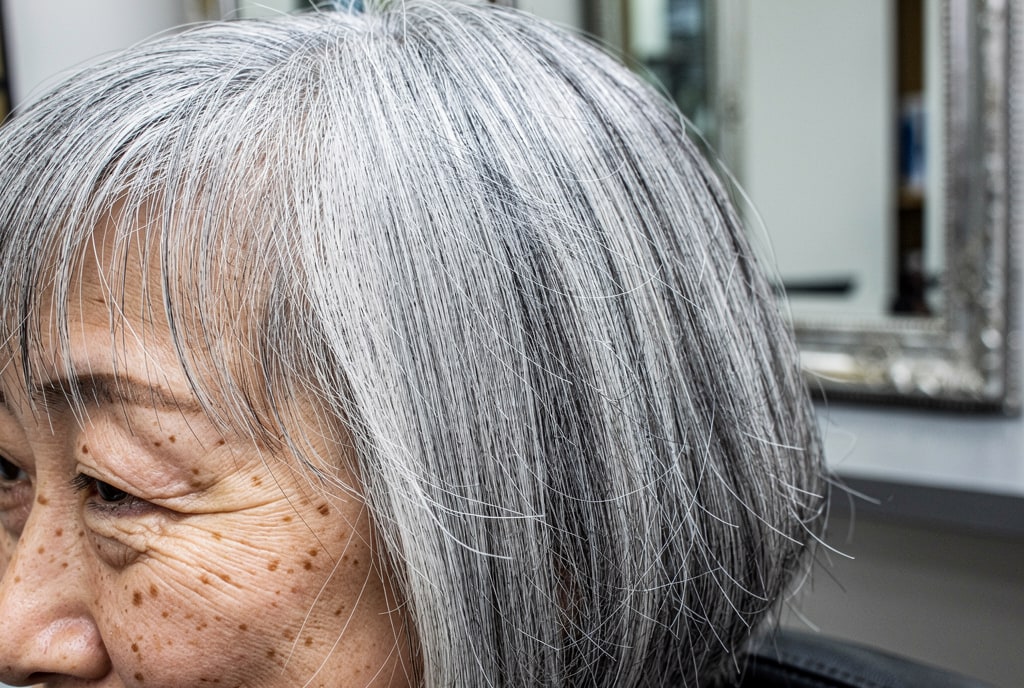
Why grey hair can feel wiry or coarse: strand differences, porosity, heat, and dryness—not a single cure product.
Topic map
Move between transition, care, science, texture, and product guidance without losing the thread.
Wiry hair usually means strands feel springy, coarse, or high-friction compared with nearby pigmented hair. On grey hair it often shows up as a rough surface, more puff, or pieces that refuse to lie flat.
Grey and white strands can differ in diameter, cuticle behavior, and moisture balance from pigmented strands. Old color, heat, and dry ends make the contrast more noticeable.
Products can improve slip, softness, and manageability, but they do not change the biology that made the strand grey. Softening methods, better conditioning, and a supportive cut are the realistic tools.
Not always. A shape that removes unsupported weight and reduces puff often helps more than going short for its own sake. Review cut strategies with your texture and density in mind.
Grey hair care notes — transition tips, science, and silver routines