
Glossary
Melanin
Melanin is the pigment family that gives hair its natural color before follicle pigment production slows.
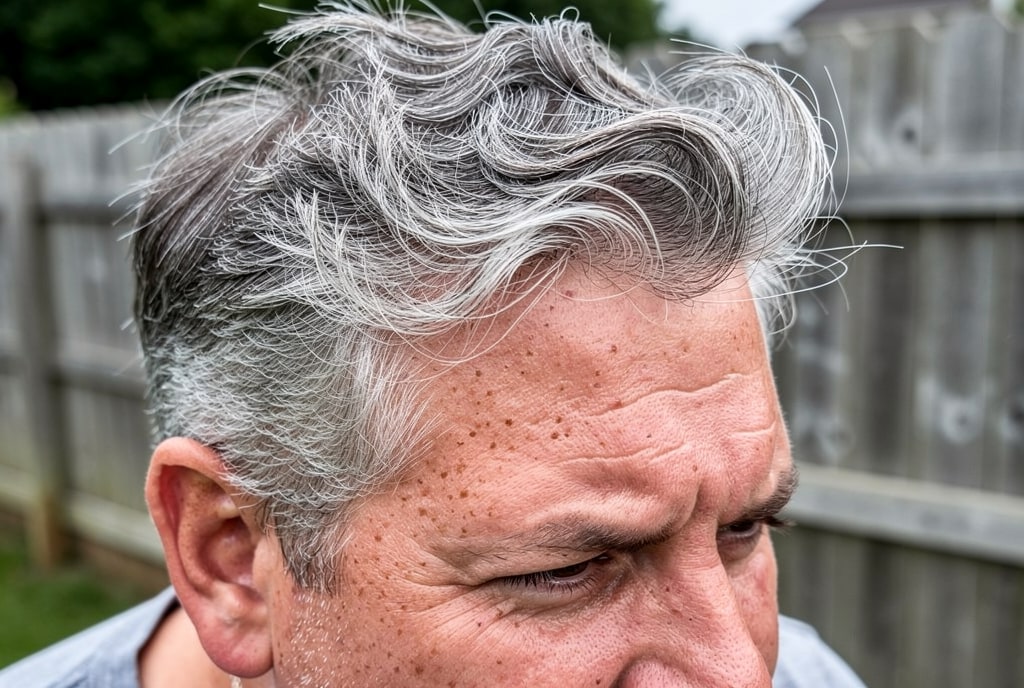
Grey Hair
Science - Updated September 2026
Melanin in hair creates color. Learn what pigment loss means for grey hair care—and what products cannot reverse.
Updated September 2026. We revise melanin in hair explained when product options, routine advice, or the supporting evidence changes. How we update guides.
Melanin in hair is the pigment that creates visible color. Hair appears grey when pigment production and pigment transfer in the follicle decline, but the visible result depends on the mix of pigmented, white, and translucent fibers on the head. This guide keeps the evidence separate from routine advice so readers can understand what is known without turning normal greying into a cure project.
Hair color is shaped by melanocytes, melanin type, follicle cycling, genetics, and age-related change. Research can describe mechanisms, but it rarely gives a simple at-home lever that restarts natural pigment across the scalp. That matters because many grey hair claims borrow scientific words while selling cosmetic results. A shampoo may change tone. A gloss may change reflection. A supplement may correct a true deficiency. None of those automatically means the follicle is making youthful pigment again.
The practical routine still matters. Grey and white strands can look dull when minerals, smoke, sunscreen, heat damage, or product film sit on the surface. They can also feel rough when the cuticle is lifted or when old color has left the lengths porous. Evidence helps set expectations: tone, softness, shine, and manageability are realistic cosmetic goals. Permanent reversal, diagnosis, or treatment of medical causes belongs with a clinician.
Look for the difference between a mechanism and a result. If a paper describes oxidative stress in follicles, that does not prove a consumer product can reverse grey hair. If a brand shows before-and-after photos after toning, that may be a color correction rather than new pigment. Stronger claims should name the population studied, the dose or method, the time frame, and whether the result was measured by researchers rather than only reported by users.
| Claim type | Reasonable reading | Be careful when |
| --- | --- | --- |
| Tone correction | Surface color can look cooler | It is described as pigment restoration |
| Texture support | Conditioning can improve feel | It promises to change genetics |
| Nutrition | Deficiencies can affect hair health | It claims universal reversal |
| Stress research | Associations can be meaningful | It becomes an overnight miracle story |
Use science to lower panic and improve decisions. If your grey hair is gradual and otherwise healthy, focus on gentle cleansing, conditioning, heat protection, and salon planning. If greying is sudden, patchy, accompanied by shedding, or paired with other symptoms, talk with a medical professional. The best grey hair routine is evidence-aware but still grounded in day-to-day cosmetic care.
Melanin is the pigment that gives hair its color. Eumelanin and pheomelanin amounts and distribution shape brown, black, blonde, and red tones.
Follicles add less melanin to new growth, so strands look lighter, silver, or white. Already-grown shafts do not usually recolor themselves overnight.
Cosmetic products can change tone and shine on the strand. They should not be treated as proven ways to restart natural pigment production across the scalp.
Melanin is the pigment family that gives hair its natural color before follicle pigment production slows.
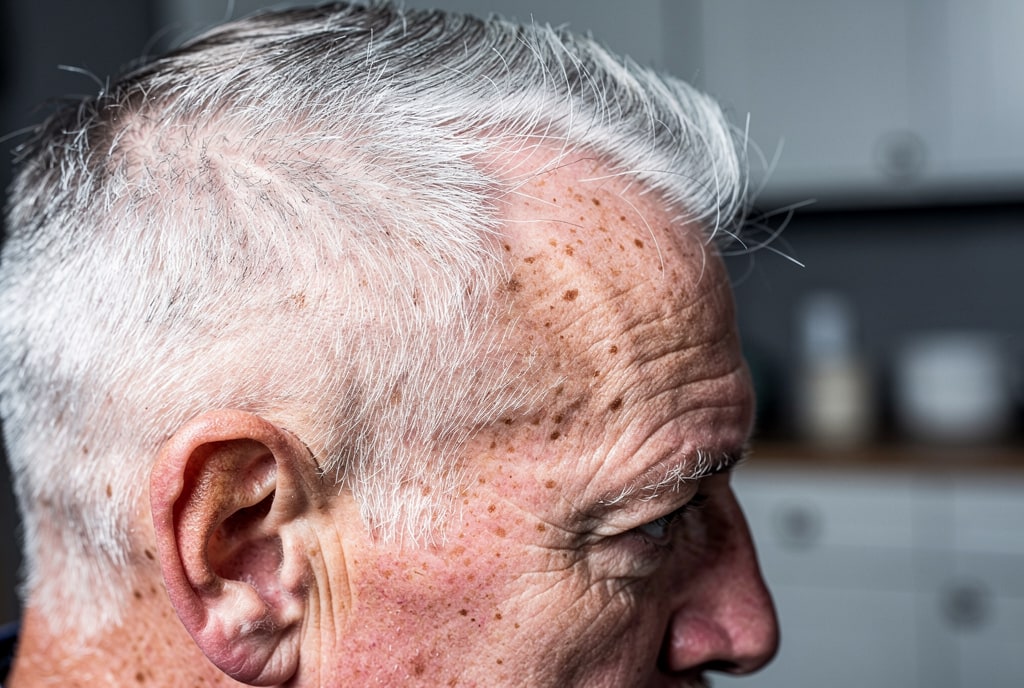
Can Grey Hair Be Reversed? explained with evidence, practical limits, and what it means for caring for grey hair.

Genetics explained with evidence, practical limits, and what it means for caring for grey hair.
Grey hair care notes — transition tips, science, and silver routines